

WANDERING THROUGH ‘LITTLE WANDA’S’ DISABILITY
WANDERING THROUGH ‘LITTLE WANDA’S’ DISABILITY, LEARNING NEEDS, STRENGTHS, FAMILY/COMMUNITY LIFE, INTERVENTION SUGGESTIONS, AND DIFFERENTIATED TEACHING STRATEGIES” ~ A CASE STUDY ON A FICTIONAL STUDENT’S DISABILITY
Introduction
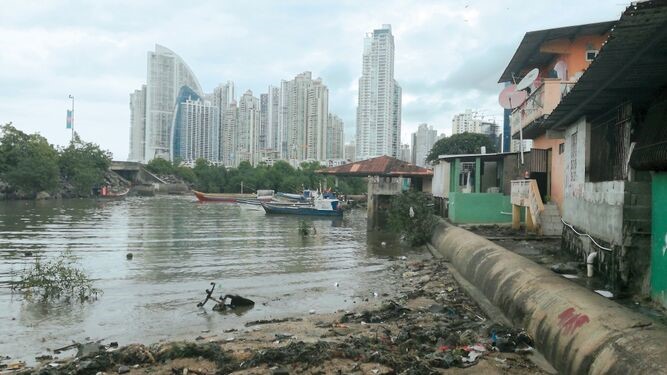
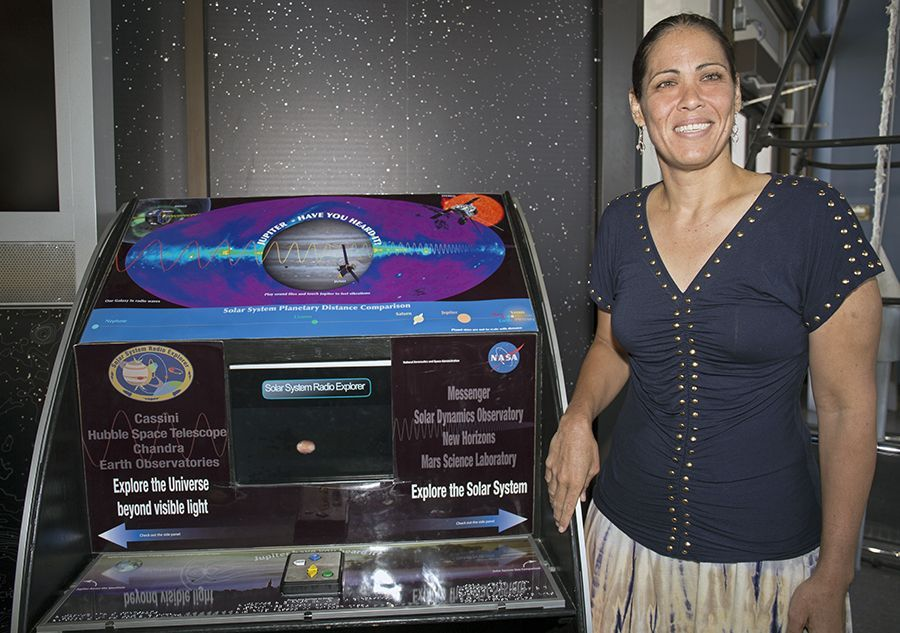
It was another blistering, hopeless summer in the hot and humid tropical climate of Panama on the borders of those United States, as a poor woman and her daughter who lived south of the Chagres River once again ran through their usual pastime of longingly looking at the map of the mainland United States. This is because their heroine and a fellow Latino had just again been awarded the 2017 Estrella Luike Trophy for her trailblazing exploits in astronomy after creating the sonification technique. Having immigrated to the mainland United States from Puerto Rico (like they hoped to do eventually), Wanda Díaz-Merced had defied all odds as a visually impaired adolescent, soldiered on through campus while taking six long years despite being incredibly gifted, and climbed through the meritocratic NASA ranks to pin her name on the global map. Therefore, as poor Lucia looked at this wonder of nature, she resolved to call her only child ‘Little Wanda’ after the now-famous Latina swimming with the royals of astronomy up in the Sunnyside Florida. By nicknaming her only child after the successful kinswoman, Lucia hoped to motivate her to also aim for the skies and achieve greatness. This leads us to ask the following question: Why did it take the real Wanda Díaz-Merced six long years to achieve what took her contemporaries four normal years to do? What other unique struggles beset her path to greatness, and how did she overcome them? Most relevantly: Will our ‘Little Wanda’ travel a similar path despite her hopes and inerrant abilities? The following work is a case study describing a fictitious ‘Little Wanda’s’ disability, learning needs, strengths, family/community life, intervention suggestions, and differentiated teaching strategies as we track her journey to an inclusive academic experience. To begin with, what exactly is ‘Little Wanda’s’ disability?
Describing The Student’s Disability ~ Understanding Why ‘Little Wanda’ Wanders
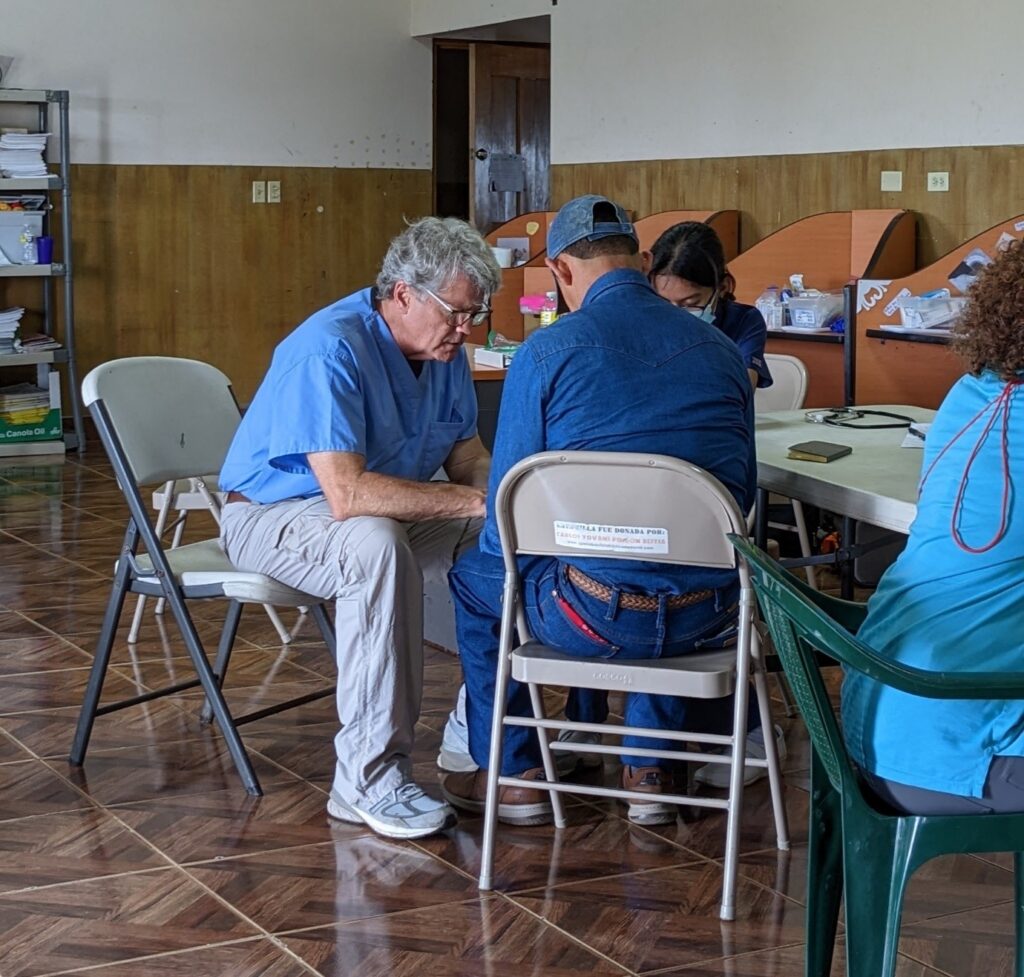
Little Wanda is an 8-year-old second-grade Latina living with a poor single mum in Boca La Caja, a slum in Panama. Like all students living with disability, Little Wanda’s disability has a clear history of prognosis, having been diagnosed at the age of 18 months with congenial, i.e., present at birth Retinitis Pigmentosa (RP) during a free eye clinic sponsored by the Evangelical Alliance of Panama.
What did the doctors tell the heartbroken Lucia during this fateful (but timely diagnosis?
Diagnosing Little Wanda’s Blindness ~ Highlighting the 7-Step Diagnosis of Retinitis Pigmentosa (RP)
Sitting fatefully in the makeshift tent, Lucia could not believe her poor ears when the short, rotund man gently wiped his brow and declared to her that her precious darling was blind. Guiding her slowly as if paraphrasing Braille Works. (2025), the doctor informed her that blindness was not a death sentence but rather a physiologically and/or neurologically induced condition of lacking visual perception. Therefore, he comfortingly assured her that her girl had a simple visual lack and not a verdict of death. Her daughter’s complete blindness continued to the doctor, was due to a total lack of form and light perception. He explained that he had clinically recorded it in his text notes under the ‘Assessment/Impression/Plan’ section as “No Light Perception” or “NPL.” Therefore, to further bring more light to the poor woman, now feeling almost blind at the diagnosis, taking a red notepad, the vertically economized man then took Lucia through a 7-step explanation to understand her daughter’s condition.
#1st step ~ The Snapshot: Retinitis Pigmentosa
Using the set-out protocols of the National Eye Institute. (2023), the doctor gave Lucia a glance at her daughter’s diagnosis before walking her through the finer details of it. The following were the four bulleted points: Early Symptoms: Side (peripheral) vision and night vision loss. Later Symptoms: Vision loss and possible blindness. Diagnosis: genetic, retina test/electroretinography, and dilated eye exams. Treatment: Utilizing low vision aids and vision rehabilitation. With this snapshot, Lucia was ready to hear about this rare disease, and the doctor was glad to explain.
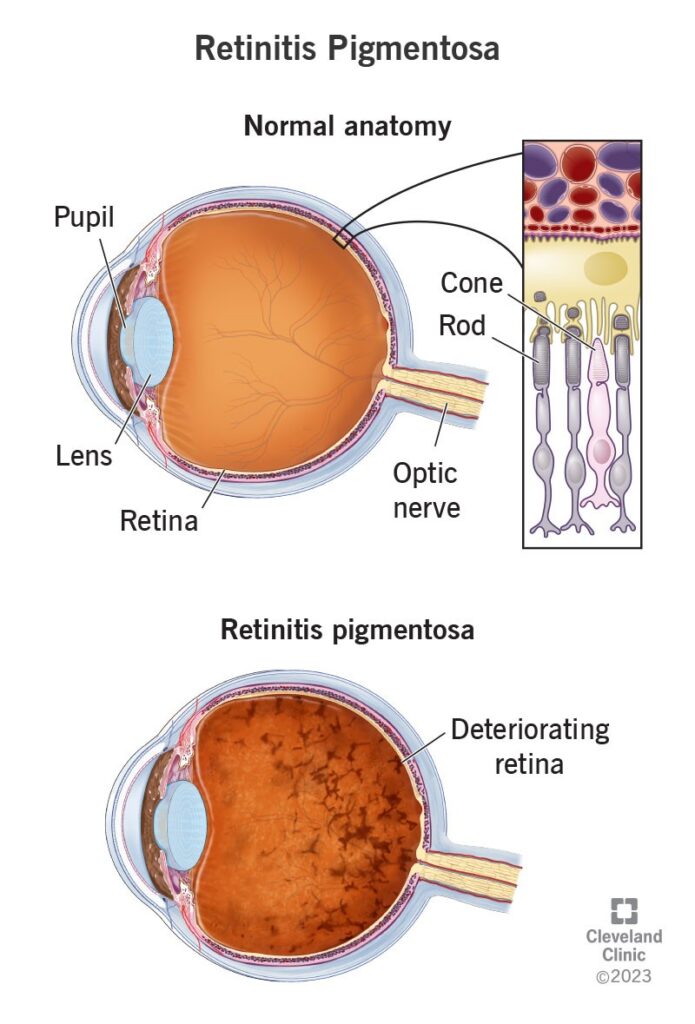
#2nd step ~ Explaining the Condition: What is Retinitis Pigmentosa (RP)?
He clearly explained to her that (RP) is categorized under a group of uncommon eye maladies touching the layer sensitive to light in the eye’s back i.e. retina, making it recede gradually, leading to loss of vision. This (RP) is a genetically born illness whose symptoms begin in childhood, leading most like her daughter to lose their sight. Therefore, the bad news was that there was no cure for (RP), but the encouraging news was that most victims could make the most of their vision using vision aids and rehabilitation (training) programs. Lucia loudly wondered why she missed the cues to this rare disease, seeing that she was not a negligent mother.
#3rd step ~ Understanding the Symptoms of RP
The good doctor calmed Lucia and informed her that RP’s early symptoms are often night vision loss, which commences at infancy. Rushing to her deep thoughts, poor Lucia comprehended why she had noticed Little Wanda unable to adjust to dim light or navigate around in the dark. Another notable challenge brought to her attention was the loss of side (peripheral) vision. Muttering under her breath, Lucia now confirmed why her baby had always had challenges with seeing things out of her eyes corners as her field vision narrowed over time to the point that all she had was a central vision, which the doctor quickly reminded her is called tunnel vision. She was informed that while some RP patients rapidly lose their vision than others, RP’s victims ultimately tend to lose their central and side vision. Other symptoms included losing color vision and being sensitive to bright light. At this point, Lucia wanted to know the cause of RP.
#4th step ~ Understanding the Causes of RP
Lucia was informed that gene alterations regulating the retina cells often cause RP and that these altered genes are genetically transferred from blood relation to children. RP can also happen as part of new genetic disorders, like Usher syndrome, which triggers hearing and loss of vision. Lucia wondered if a local eye doctor could check for PR.
#5th step ~ Undergoing a Comprehensive Dilated Eye Exam: Understanding How an Eye Doctor Checks For RP
RP explained to the doctor it can simply be checked for as a component of a simple and painless comprehensive dilated eye exam where doctors use some eye drops to widen/dilate the pupil and then examine the eyes for RP and other eye complications. This exam also includes a visual field exam to verify side or peripheral vision. Furthermore, RP can further demand the other following investigations depending on the doctor’s discretion: Fundus autofluorescence (FAF) imaging, Genetic testing, Electroretinography (ERG), and Optical coherence tomography (OCT). Could these numerous tests lead to a cure, Lucia wondered hopefully?
#6th step ~ Dropping the Verdict: Is there any Cure for RP?
Adjusting his seat, the doctor informed Lucia that there was no cure for RP. However, like her daughter, people living with RP could make the most of their vision by adopting rehabilitation (training) programs and low-vision aids. Additionally, some doctors can recommend vitamins and supplements, while others can encourage the consumption of fish oil and lutein supplements. Most critically, the doctor informed Lucia that people living with RP must prioritize regular eye exams to help their doctors obtain the right treatments by tracking the symptoms. This will also help them tackle other eye complications, like cataracts, refractive errors, and cystoid macular edema. So, what latest research were the experts coming up with apart from regular examinations to help her daughter? Lucia inquired impatiently.
#7th step ~ Reviewing the Latest Research on RP
Again, quoting his mental notes from the National Eye Institute, the patient’s doctor informed Lucia that the NEI is currently studying cell therapies, gene therapies, and new medications that can eventually become the future’s standard experimental treatments. Additionally, visually impaired individuals have taken the initiative to devise innovative techniques to live normal lives, such as screen reading software to use computer applications and the Internet. Lucia grew radiant when she heard that her daughter could access the Internet just like normal people. She stormed out of the doctor’s makeshift office in an Eureka moment-to the school!
Learning Needs ~ Why ‘Little Wanda’ Wanders Within the Classroom!
Arriving with her Little Wanda at her first school, Lucia was optimistic that with the comprehensive diagnosis that she possessed, every obstacle was conquerable. How wrong! This is because she soon realized that Little Wanda was constantly wandering in the classroom despite being an intelligent child. After all, her learning needs were unique. As a student with RP, her eye condition caused vision loss, leading to unique learning needs related to orientation, mobility, and vision, necessitating individualized support and accommodations in her classroom. What were these learning needs? Moving from doctor to now special educator, Lucia soon learned the following learning needs, which the educator summarized for her from Devon Education Services. (n.a):
#1st learning need ~ Visual Impairment and Adapting to Changing Vision
Five broad challenges were listed under this need: Night Blindness and Difficulty in Low Light: It is extremely challenging for those with RP to navigate low-lit environments like after school or movie theaters due to difficulty seeing in dim light. Peripheral Vision Loss: Lucia learned that Little Wanda was likely to experience challenges in viewing things out her eyes corners and ‘tunnel vision’ as her condition progressed due to a narrowing of her visual field. Reading Difficulties: Little Wanda will find tracking and scanning texts harder as her visual field narrows, leading to low reading speed and comprehension. Contrast Sensitivity: Additionally, she would find it hard to differentiate between objects and colors with related tones, complicating finding items, reading, or participating in activities. Visual Fatigue: Finally, because of all these aforementioned challenges, Little Wanda was going to overexert her eyes, which led to eye strain, headaches, and difficulty concentrating.
#2nd learning need ~ Orientation and Mobility
The main issue that Little Wanda faces is navigation challenges as she circumvents the school compound, especially during school trips or in unfamiliar areas.
#3rd learning need ~ Emotional Development Needs
In a scintillating research, Chacón-López, Helena & López-Justicia, M. & Vervloed, Mathijs. (2014) reveals that visual challenges, like what besets Little Wanda, can cause an emotional state of incapacity and inferiority, disrupting social relations, low academic achievement, and pitiable social adjustment. Chacón-López further alludes that as RP progresses, it also leads to frequent outbursts of anxiety and depression, leading to hampered academic experience. Despite these great learning needs, the special education teacher was quick to assure Lucia of several strengths that can still make Little Wanda a real Wanda Díaz-Merced who, despite her blindness, went ahead to study the stars. What were the strengths that Lucia learned?
Strengths ~ Why ‘Little Wanda’ Promises to Make Many to Wonder and Not Wander
As if quoting Baraza, P.A. (2024c), the special educator cheerfully informed Lucia that after carefully assessing Little Wanda’s strengths and needs, he could now report that he had identified her several talents, gifts, and skills, with an intent of utilizing them to manage any challenges awaiting in her educational journey. How did he intend to apply this brilliant assessment?
As a practice method and strategy that identifies and draws upon the strong suit of persons, their families, and societies, the assessment is based on the individual’s strengths that the special educator and his committed colleagues intended to use. It was a proper philosophical outlook reinforced by standards and policies. Therefore, he assured Lucia they intended to focus on this matrix of individual strength, family unit and the wider community and environment. Notably, they informed Lucia that though they intended to focus on Little Wanda’s strengths, it did not mean they were disregarding complications or gyrating impediments into strengths but required them to work collaboratively. How was Lucia then expected to collaborate with her family/community, seeing that this had so far proven to be a bed of roses, bringing joy and sorrow in equal measure?
Family/Community Life ~ The Sociospiritual Ones Relating with ‘Little Wanda’ as She Wanders
Lucia Excluded from Her Society ~ The Sociocultural Challenges Unfolds
Going back home after the lengthy interactive session at school, Lucia was deep in thought. This is because her family had been the most corrosive in the whole journey, with toxicity that could certify the Hiroshima and Nagasaki atomic bomb sites as airworthy. Expelled from a loving marriage immediately after Little Wanda was diagnosed as congenially blind, all hopes of marriage restoration were lost when the school rendered the final verdict that her baby was educationally blind (needing braille materials to read). Baraza, P.A. (2024k) now relatedly summarizes her painful sociocultural experiences as follows: Stigma and Discrimination since the wider Boca La Caja slum associated disabilities with ancestral curses or sin; Community Rejection since her marital and parental families excluded her from their social and religious spaces; and Marriage Challenge since Little Wanda’s fathers abandoned her once her disability was confirmed. Where did she turn to? Lucia went to Church. What was her experience as the now primary caregiver?
Lucia and Little Wanda Head to Church ~ The First Inclusive Experience
To her utter relief, the local evangelical congregation that Lucia attended was the most inclusive that she could ever describe since it is here that she had even obtained the first prognosis when the Church collaborated with the National Evangelical Alliance to bring a free medical camp to her neighborhood. This Church conscientiously heeded the ‘Three Messages to the Church’ by Baraza, P.A. (2024c) about Kingdom Inclusion, The Glory of the Bride, and Kingdom Empowerment. Further, in honor of the wisdom of Baraza, P.A. (2024g), they undertook the following practical steps to become more inclusive: offered Respite Care Programs for the Caregivers within the Church while the theological schools churning out their leaders integrated disability into their curriculum. Notably, the entire Church premise thoughtfully improved physical accessibility through thoughtful ergonomic-relevant designs, including modified restrooms, clear signage with Braille, sensory-friendly spaces for those with autism or sensory sensitivities, ramps, elevators, etc. Further, they intentionally coopted the disabled into active ministry roles such as ushers, deacons, elders, etc. Little Wanda dazzled at this! Again, Lucia’s Church vigorously challenged negative cultural norms that she had gone through, leading to her freedom and healing while innovatively availing worship participatory opportunities to those unable to attend physically. Furthermore, the Church crafted an all-inclusive worship service by availing digital formats compatible with screen readers, large-print materials, and Braille, which greatly benefited those with eye issues like Little Wanda. Is Lucia satisfied with this unrivaled spiritual support system, or does she still intend to expand her toolbox?
Intervention Suggestions ~ The Professional Innovations Helping ‘Little Wanda’ Not to Wander
Seeing that the literal skies are Little Wanda’s limit as she aims to imitate her heroine, who invented how to see and interact with the stars through the sonification technique, Lucia still intends to push the envelope further to the professionals. Her aggression is informed by the passion to see all of her daughter’s learning needs met. What help have the seasoned professionals from her Church’s Disability Ministry promised her?
The Various Antidotes for Little Wanda’s Wandering Needs ~ what the experts suggests
The experts suggested the following intervention: Assistive Technology for Overcoming Visual Impairment and Adapting to Changing Vision: Lucia has been advised to screen reading software, video magnifiers, and other assistive technologies to enhance Little Wanda’s vision and access information. Mobility Training for Overcoming Orientation and Mobility Challenges: They have informed her about orientation and mobility training to help her baby learn to use assistive devices like guide dogs or canes to move independently and safely. Clear and Uncluttered Materials to Enhance Curriculum and Classroom Accommodations: The experts have advised Lucia and her daughter’s teachers to utilize high contrast and large print materials and ensure that the worksheets and presentations are simple and easy to read. Alternative Formats: The teachers provide access to materials in alternative formats like audio recordings or Braille. Extended Time: Since processing information can be slower, the teachers have also been charged to ensure that Little Wanda has extra time to complete her assignments and tests. Tactile Aids: To help her learn about spatial relationships and concepts, the teachers have been tasked with using tactile maps, models, and other sensory aids. Touch-Typing and Computer Skills: Again, to expedite access to information and communication, the teachers have been tasked with developing computer skills, including touch-typing. Collaboration with Specialists: To meet Little Wanda’s unique needs, the school community has been uniquely tasked with working closely with other specialists to develop individualized education programs (IEPs) and teachers for visual impairment (TVIs). Emotional Support: The Church and school community has been tasked with helping Little Wanda cope with the challenges of living with RP and the potential for vision loss by providing emotional support and counseling. How, then, do the teachers intend to carry out these duties?
Differentiated Teaching Strategies ~ Educating the Wanderer to Become a Wonder
As the critical players in Little Wanda’s journey of not becoming a wanderer but rather a wonder, the teachers will use the following differentiated teaching strategies as advised by Rpigmentosa. (June 12, 2010): Allowing her to sit close to the chalkboard if it helps. Again, if necessary, she must be allowed more time to complete her tasks and assignments. This means that extra time during examinations is permissible. As one with RD, she should also be exposed to high contrast for easy reading. Alternatively, the prints must be large and bold, the felt-tip markers black, or the presented materials displayed using back ink on white paper.
Her teachers must familiarize themselves with the various visual aids by consulting with therapists specializing in low-vision or dealers of electronic visual aids to help them determine which utilities can help her achieve the best results. Her classroom must be adequately lit, especially at night when Little Wanda may have the most trouble. She should also be prepared to enter any area that is lit dimly. The teacher can proactively better her vision setting by sitting her close to a window, with the light at her back, or with a desk lamp.
Inclusive games can be adapted to incorporate everyone. For instance, the school can buy beeping balls, meaning the approaching ball can produce auditory and visual cues. Furthermore, the game rules can be modified without singling out Little Wanda as a disabled student. The teachers must also clear the hallways and the classroom of low obstacles. Since unexpected changes in lighting can be very bumpy, they must ensure to switch on the lights promptly so that the class does not proceed in partial darkness after using films or slides in a darkened room. To firm the thumb on this, the teacher can allow Little Wanda to use a tape recorder or assign a note-taker to remind him of an improperly lit room when the room is not well lit. Steps of the same color as the surface ground can be problematic, and therefore, during school outdoor trips, there must be sensitivity to light and hurdles in her lane.
Another strategy would be to assign willing volunteers to read some assignments on tape or request taped books from specialist organizations. Open communication between the teacher and the student must be created to ensure timely feedback, leading to great overall improvement of the learning experience. Closely tied to this is an open discussion with curious classmates who may need to understand the nature of RD since most might think that Little Wanda is faking her condition or is simply a snob. Notably, to avoid resentment that can arise out of the preferential treatment given to Little Wanda past what is essential, she should not be treated as ‘special,’ but rather, the teacher should make his expectations for her clear. This will enable her to approach learning healthily. What must be done as the girl grows older?
As Little Wanda ages, there must be career guidance since most available options must cater to their needs. In the case of the heroine Wanda Díaz-Merced, she had to move from aspiring to be a doctor to astronomy after Robert Candey, her mentor at NASA’s Goddard Spaceflight Center-Maryland, persuaded her that it is possible to conquer space despite her condition. Therefore, the capping on the ice for Little Wanda as she aspires to be the real Wanda Díaz-Merced would be to find her own ‘Bobby’ to mentor her to the ultimate height. Maybe the real ‘Bobby’ will hear of her and give the world another wonder as Little Wanda becomes a Global Wonder in the coming days. Should that occur, inclusivity would have won, and the Church’s call to ministry to persons with disability would have achieved one of its greatest ideals of community transformation. Here’s to the ushering of that era!
Summary
As the real Wanda Díaz-Merced began her global award-winning streak, the fierce gatekeepers of education were humbled to see the evidence of God’s grace being perfected in weakness. This is because, before time, the highly meritorious world of astronomy was left to the brightest lights in academia. Therefore, as Wanda took it by storm despite her visual disability, this competitive world began to yield to grace and to be easy on the disabled. This is why Lucia, who has faced untold exclusion worldwide (except within her Church community) coupled with the horrid poverty in the Boca La Caja slums of Panama, keeps glancing at the map of the United States in hopes that her Little Wanda will soon get the same opportunities that her heroine got and dominated the global map. However, to transition from being a wanderer to a global wonder, Lucia, in collaboration with all the willing stakeholders, must be able to describe Little Wanda’s disability. This is because it is the first step towards achieving the ideal inclusive life. Afterward, she must collaborate with the special education teachers at her school to map the way around her daughter’s key learning needs of visual impairment and adapting to changing vision, orientation and mobility, and emotional development needs. Having identified her girl’s learning needs, she must again ensure that the teachers focus on strength-based practice, not the deficit approach emphasizing problems and pathology. Consequently, she must valiantly overcome the exclusion in her family by immersing herself and her daughter in the almost-perfect inclusive Church community to ensure her daughter’s overall socio-spiritual welfare. Both at home and school, Lucia must embrace the various intervention suggestions, assistive technology for overcoming visual impairment and adapting to changing vision, mobility training for overcoming orientation and mobility challenges, and the like to help her daughter overcome her learning needs. Notably, she should see that the school encourages differentiated teaching strategies such as sitting near the blackboard, allowing more time for assignments and exams, vision setting near the window, and the like. Most critical of this is career guidance and mentorship so that her ‘sonification’ dream can eventually materialize. However, Little Wanda will need her “Bobby” to hold her hand up their steep staircases of the meritorious career world. We hope “Bobby” will again turn our wanderer into a real global wonder that the heroine became since history can be learned from and replicated!
References:
Baraza, P.A. (2024a). Notes for Week 1.pdf. Week 1 Lecture. Retrieved on 23 February 2025 from https://pacu.mrooms.net/course/view.php?id=4859#section-4
Baraza, P.A. (2024b). Introduction to the Ministry to Persons With Disability Class.pdf. Week 1 Lecture. Retrieved on 23 February 2025 from https://pacu.mrooms.net/course/view.php?id=4859#section-4
Baraza, P.A. (2024c). Week 1 Class Notes.pdf. Week 1 Lecture. Retrieved on 23 February 2025 from https://pacu.mrooms.net/course/view.php?id=4859#section-4
Baraza, P.A. (2024d). Course of Action for the Church.pdf. Week 2 Lecture. Retrieved on 23 February 2025 from https://pacu.mrooms.net/course/view.php?id=4859#section-4
Baraza, P.A. (2024e). MINISTERING TO FAMILIES AFFECTED BY DISABILITY.pdf. Week 2 Lecture. Retrieved on 23 February 2025 from https://pacu.mrooms.net/course/view.php?id=4859#section-4
Baraza, P.A. (2024f). WEEK 2 NOTES b.pdf. Week 2 Lecture. Retrieved on 23 February 2025 from https://pacu.mrooms.net/course/view.php?id=4859#section-4
Baraza, P.A. (2024g). Week 2 Notes.pdf. Week 2 Lecture. Retrieved on 23 February 2025 from https://pacu.mrooms.net/course/view.php?id=4859#section-4
Baraza, P.A. (2024h). How does a disability ministry look like when you have a small church.pdf. Retrieved on 23 February 2025 from https://pacu.mrooms.net/course/view.php?id=4859#section-4
Baraza, P.A. (2024i). Successful Models.pdf. Retrieved on 23 February 2025 from https://pacu.mrooms.net/course/view.php?id=4859#section-4
Baraza, P.A. (2024j). WEEK 3 NOTES b.pdf. Retrieved on 23 February 2025 from https://pacu.mrooms.net/course/view.php?id=4859#section-4
Baraza, P.A. (2024k). Week 3 Notes.pdf. Retrieved on 23 February 2025 from https://pacu.mrooms.net/course/view.php?id=4859#section-4
Braille Works. (2025). Famous People with Visual Impairments. Retrieved on 21 March 2025 from https://brailleworks.com/braille-resources/famous-people-with-visual impairments/#:~:text=Louis%20Braille%20(January%204%2C%201809,of%20organized%20bumps%20representing%20letters.
Chacón-López, Helena & López-Justicia, M. & Vervloed, Mathijs. (2014). Psychological and educational recommendations for working with young people with Retinitis Pigmentosa. School Psychology International. 35. 357-369. 10.1177/0143034313476398. Retrieved on 21 March 2025 from https://www.researchgate.net/publication/249073229_Psychological_and_educational_recommendations_for_working_with_young_people_with_Retinitis_Pigmentosa
Covey. (2025b). A Guide to Sensory-Friendly Activities for All Ages. https://covey.org/a-guide-to-sensory-friendly-activities-for-all-ages/
Devon Education Services. (n.a). Retinitis pigmentosa. Devon County Council. Retrieved on 21 March 2025 from https://www.devon.gov.uk/support-schools-settings/send/areas-of-need/sensory-and-or-physical/visual-impairment/eye-conditions/retinitis-pigmentosa/#:~:text=Learners%20to%20have%20their%20own,1%20procedure%20for%20fire%20alarms.
Downs, Jamie. (2014). Teaching Students with Visual and Hearing Impairments. https://prezi.com/degqln09f_-4/teaching-students-with-visual-and-hearing-impairments/
HOLY BIBLE (ESV)
National Eye Institute. (November 15, 2023). Retinitis Pigmentosa. Retrieved on 21 March 2025 from https://www.nei.nih.gov/learn-about-eye-health/eye-conditions-and-diseases/retinitis-pigmentosa
Rpigmentosa. (June 12, 2010). Retinitis Pigmentosa, Retinal Degeneration. Tips for Teachers. Retrieved on 21 March 2025 from https://rpigmentosa.livejournal.com/15383.html
The National Center of Women’s Innovations. (2024). Dr. Wanda Díaz-Merced. The astronomer who listens to the stars. https://womensinnovations.org/women-innovator/wanda-diaz-merced/
The Royal Society. (2025). Wanda Díaz-Merced. https://royalsociety.org/about-us/who-we-are/diversity-inclusion/case-studies/scientists-with-disabilities/wanda-diaz-merced/
Thompson, J. (April 03, 2022). Disability and Innovation: Scientists with Disabilities who Changed the World. Project ENABLE. https://projectenable.syr.edu/178-disability-and-innovation-scientists-with-disabilities-who-changed-the-world