STOPPING THE SCOURGE OF CHILDREN BEARING BABIES

STOPPING THE SCOURGE OF CHILDREN BEARING BABIES

A PSYCHOSOCIAL-ECONOMIC AND THEOLEGAL STRATEGY OF COMBATING CHILD SEXUAL ABUSE IN ORDER TO TAME TEENAGE PREGNANCY IN KENYA

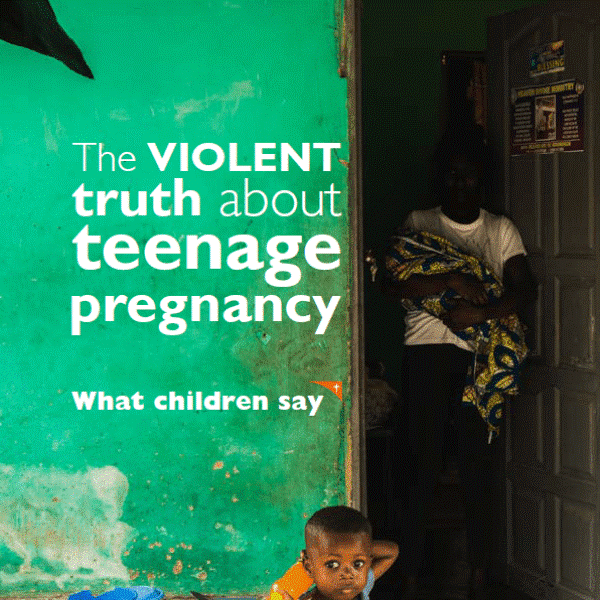
Figure 1. A Vivid Public Health Message. Courtesy © 2026 World Vision International

1. INTRODUCTION

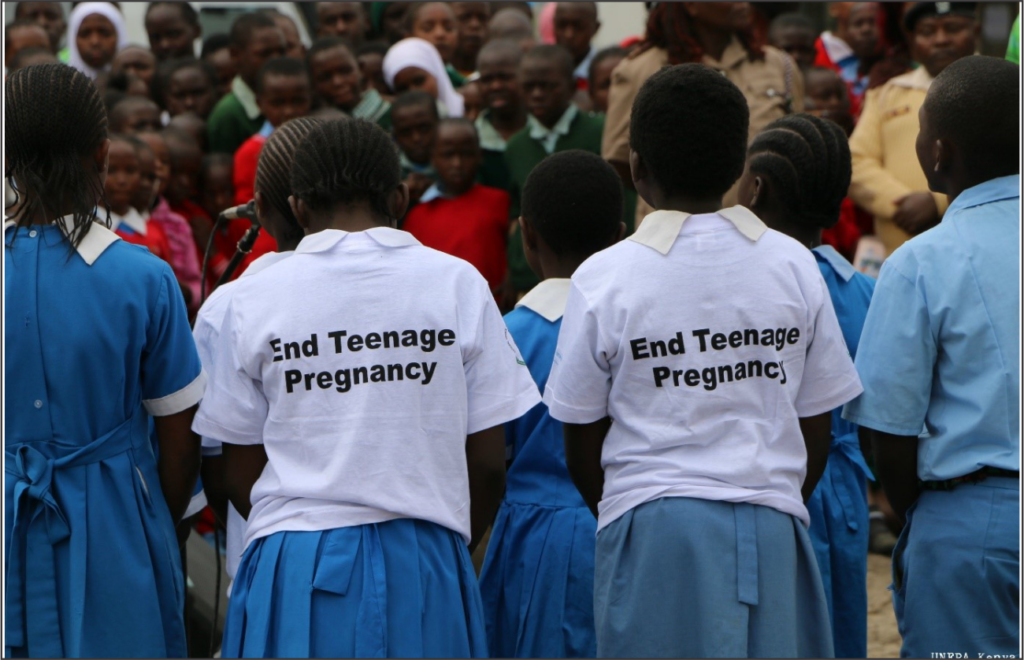
Figure 2. An Image Showcasing UNFPA’s Tireless Efforts in Advocating for Ccomprehensive Sexuality Education. Courtesy UNFPA / Kenya. Photo By UNFPA / Kenya, Douglas Waudo. https://kenya.unfpa.org/en/news/teen-mums-kilifi

In this current countercultural age where consumerism, nihilism and lawlessness has turned the once supportive society into an isolated island of individualism and ridiculous cynics, never has the role of the church become so clear in the fight for the society’s soul. Indeed, teenage pregnancy is rampant in Kenya and it’s mostly caused by child sexual abuse. In view of this, just how rampant is it and what are the legal and practical ways the church can help stem it? It is therefore the aim of this paper to reveal through available data the level of the scourge of teenage pregnancy and the child sexual abuse that causes it and subsequently to propose the psychosocial-economic and theolegal strategies that the church can offer to stop it.

2. CHILD SEXUAL ABUSE

2.1  What is Child Sexual Abuse?

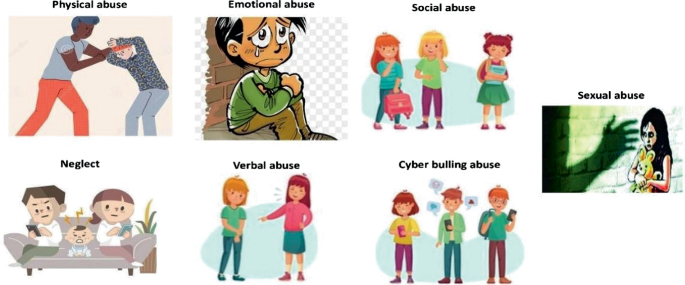
Figure 3. Image Courtesy © 2026 Springer Nature. https://link.springer.com/chapter/10.1007/978-981-99-8745-0_7

Both local and international laws defines child sexual abuse (CSA) or child molestation. The World Health Organisation defines it according to Plowmann, P. (2004) as: The involvement of a child in sexual activity that he or she does not fully comprehend, is unable to give informed consent to, or for which the child is not developmentally prepared and cannot give consent, or that violate the laws or social taboos of society.

3. TEENAGE PREGNANCY

4.What is Teenage Pregnancy and what is Its Main Cause?

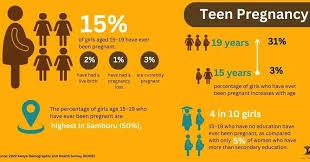
Figure 4.An Illustration Courtesy Ms. Kusum Wagle. https://publichealthnotes.com/teenage-pregnancy-causes-effects-and-preventive-measures/#google_vignette

Again the World Health Organisation. (2023) states:

Adolescent pregnancy is a global phenomenon with clearly known causes and serious health, social and economic consequences. Globally, the adolescent birth rate (ABR) has decreased, but rates of change have been uneven across regions. Adolescent pregnancy tends to be higher among those with less education or of low economic status… Child marriage and child sexual abuse place girls at increased risk of pregnancy, often unintended.

 5. Demographics

What local data do we have to verify teenage pregnancy?

Figure 5. A 2022 Kenya Demographic and Health Survey (KDHS), teenage pregnancy, gender-based violence, and Female Genital Mutilation (FGM). Courtesy Akili Dada. https://www.instagram.com/p/Cn4D4hOIHN8/

According to Kenya Demographic and Health Survey. (2023): …teenage pregnancy rates declined to 15% in 2022, from 18% in 2014. Poverty and a lack of education were associated with higher rates of adolescent pregnancy as about 4 in 10 women age 15-19 years… Adolescent pregnancies are also more likely to occur among poor communities, as 21% of women aged 15-19 in the lowest wealth quantile… The highest rates of teen pregnancy were recorded in the counties of Samburu at 50%, West Pokot at 36%, Marsabit at 29%, and Narok at 28%. Nyeri and Nyandarua counties reported the lowest rates at 5% each.

So how widespread is this vice in Kenya? UNESCO. (2014 – 2023) reports: (WHO) estimates that 36-62% of all sexual assault victims are aged below 15 years. Complementary data from Nairobi Women’s hospital indicate that 55% of those violated are girls aged 0-15 years.

6. Provisions of the Law

Figure 6. An Image of Courtroom Legal Setting. Courtesy © 2026 StockCake. All rights reserved.

Statistics aside, what does the Law say about sexual violence especially against minors? Is it a crime or merely a to relative sociocultural construct? Legally, all sexual offenses (especially the ones against minors) are unconstitutional and punishable by the law. Kenya’s Sexual Office Act (2006) defines a child as anyone below the age of 18 and spells out the penalties carried out for various sexual offences. Sections 8-15 of the ACT are devoted to children and address issues of defilement as evidenced in child trafficking, pornography and child sex tourism. No wonder Lugano, R. (2023a) confirms: Law is not autonomous, standing outside of the social world, but is deeply embedded within society. Lugano, R. (2023b) adds: Law and society studies address the mutual relationship between law and society with its different actors, institutions, and processes.

7. THE ROLE OF THE CHURCH

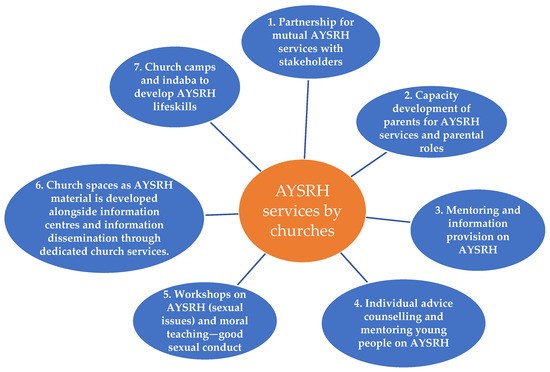
Figure 7. A thematic map summarizing the seven types of interventions identified by the AYSRH services by churches. Courtesy. © 1996-2026 MDPI (Basel, Switzerland) unless otherwise stated

7.1.1   The Psychosocial-Economic Strategies

In order to fully understand the role of the church in all these, we need to remember that we can never treat the fruit before first understanding the root. Therefore, teenage pregnancy is but the fruit while a systems malfunction is the root. The first root the church must treat are the parents especially the fathers. How can they do this?

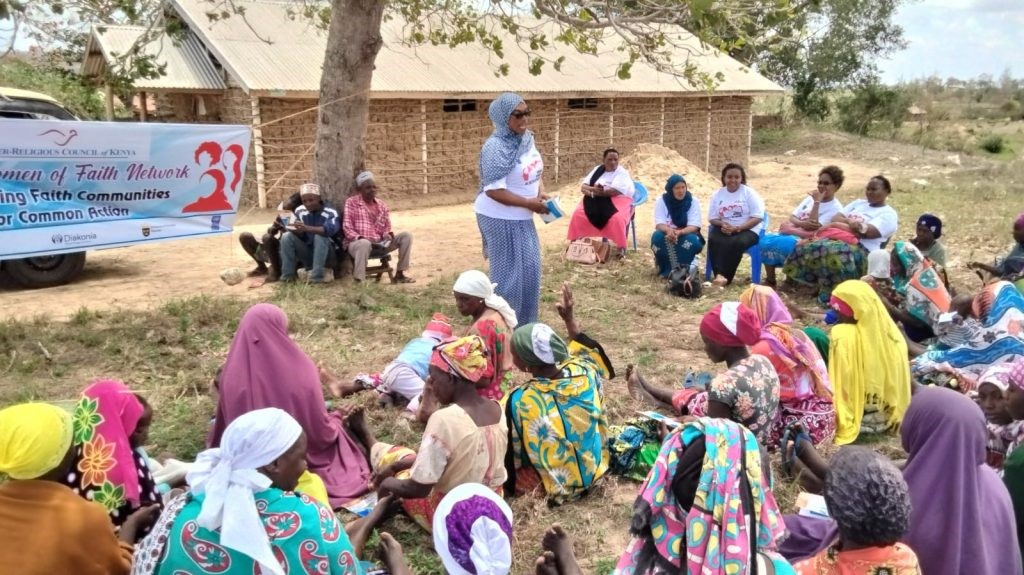
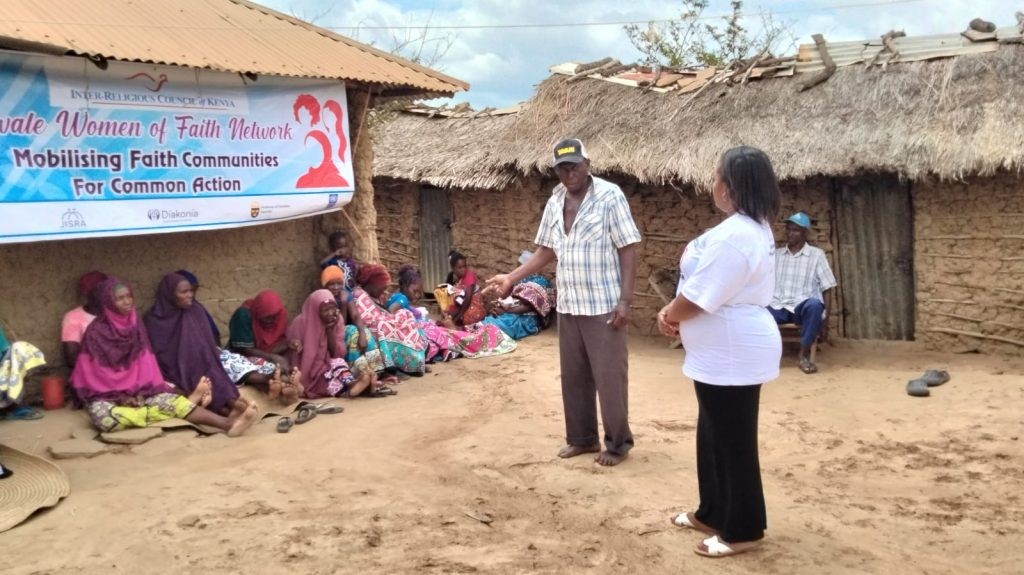
Figure 8. An Image Showing a Member of Inter-Religious Council of Kenya (IRCK) in a Community Engagement. Courtesy IRCK © 2022. All Rights Reserved. Designed by SoftwaresKe Ltd

7.1.1    The Fathers

Since most of the fathers of the victims are either within the church pulpit as leaders or within the pews as members, they must be properly sensitized. Since most of these abuses happen within the home setup, it’s critical to challenge the heads of these homes to arise and account for their turfs. Thus institutionally, the church must do child evangelism and discipleship.

7.1.2    Institutionalized Church Child Evangelism And Discipleship

In her manual for child evangelism, Haaijer, Jennifer. (1996). contends that there’re five main reasons why the children’s ministry is critical: children need to be saved, children can be saved, God loves children, children are open to the gospel and most importantly; a child saved is a life saved. This is why we must evangelise them. Bastian, Karl. (2022). declares: Children are the ripest spiritual field in the Kingdom. It was God’s plan that faith begin as a child. When it doesn’t, there is always a high price to pay.”

7.1.3    Healthy and Comprehensive Sexual Education – at Home!

Jess Lair opined that: “Children are not things to be molded, but are people to be unfolded.” Therefore, a healthy and comprehensive sexual education must be initiated from the home environment. Though the secular space has clamoured to take up this delicate venture, the church should be firm and guide the sails right into the harbour of the family platform with

Figure 9. An Image Showing a Father within a Community Participating in a Inter-Religious Council of Kenya (IRCK) in a Community Meeting. Courtesy IRCK © 2022. All Rights Reserved. Designed by SoftwaresKe Ltd

7.1.7    Professional Guidance and Counselling through Networking

Even though psychoeducation should be left to professionals, the church must network these professionals with the primary stakeholders who directly bear the burden of the children to offer guidance and counselling. Therefore, the trainings and workshops organized must not be too high-toned with professional hubris but rather be customized to directly feed the common man.

7.1.8        Educational Opportunities to Combat Poverty

Since statistically the victims have less education and are mostly from impoverished backgrounds, educational and economic empowerment of these kinds of families must be prioritized. It’s because educational level is inversely proportional to the poverty level hence with proper educational and economic empowerment; the greatest root cause of these vices will cease. This will vindicate Lyman Abbott who said: “A child is a beam of sunlight from the Infinite and Eternal, with possibilities of virtue and vice, but as yet unstained.”

7.1.9    Combating Retrogressive Cultural Practices

Given that retrogressive cultural practices such as early marriage and even gang rape perpetuate teenage pregnancy, these dark cultural practices must be confronted through sound Scriptural preaching and teaching. Further, the key community gatekeepers must be wisely engaged. One sure way is to target the ‘high moon’ seasons (when such communities are known to enter their cultural dungeons) and to carry out counter-sociocultural sensitization against these retrogressive cultural practices. Ray Merritt reminds us: “Old men can make war, but it is children who will make history.”

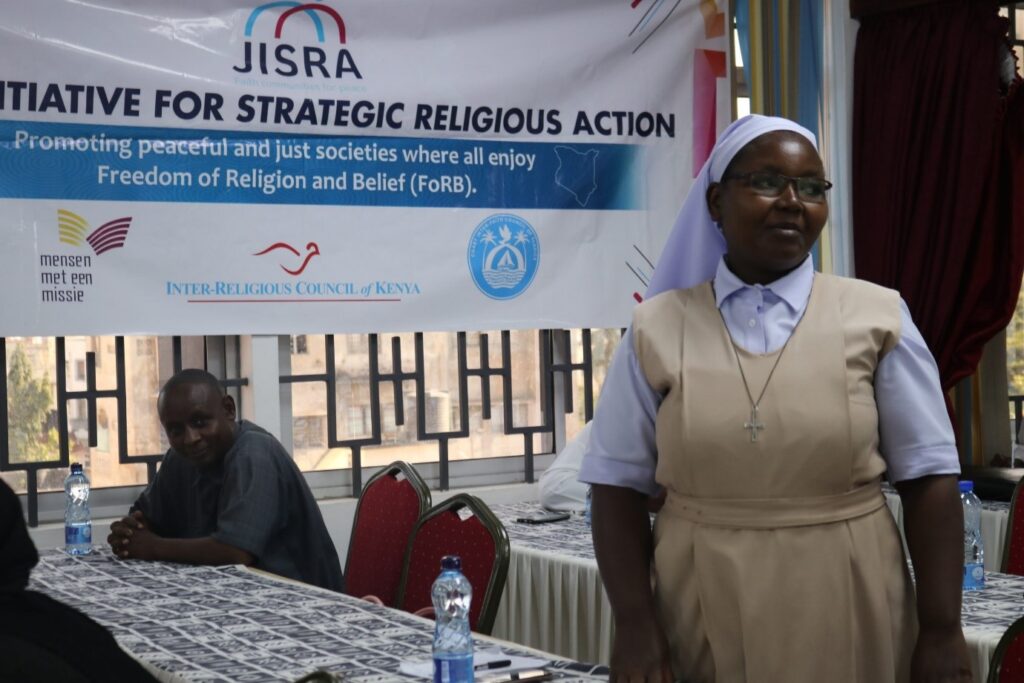
Figure 10. An Image Showing Inter-Religious Council of Kenya (IRCK) in a Stakeholder Meeting. Courtesy IRCK © 2022. All Rights Reserved. Designed by SoftwaresKe Ltd

7.1.8    Strategic Moral Leadership by Leaders!

Nothing preaches like example hence the church’s own leaders followed by the members must lead morally upright lives. Clear moral authority and example by the leaders will do half the talking before the sound system comes alive. What about the children born of these teenagers especially the unwanted ones?

7.1.9    Rescue of Unwanted Children

With a ready and compassionate base, the easiest place to find alternative homes for the unwanted children is within the ranks of the church. It can zealously encourage a vibrant adoption and foster care culture to absorb the unwanted children instead of watching them either aborted or thrown away. This will vindicate Herbert Hoover who said: “Children are our most valuable resource.” For the mothers, a practical package in form of a back-to school scheme for the drop-outs to stem the vicious cycle from perpetuating itself into infinity can be offered. Therefore, for every child and mother rescued, a seat within a proper school should be promptly secured. How can this conveyer belt work?

7.1.10    A Marshall Plan for the Marginalized and Stigmatized Young Mothers

A scholarship fund for the marginalized and stigmatized young mothers can be generously set up in order to inaugurate and subsequently perpetuate the church’s educational mission. Closer is a free social-health consultancy for the marginalized girls so that rogue elements do not snatch them away into shoddy abortions or cohabitations. However, are there legal mechanisms available?

The Theolegal Strategies

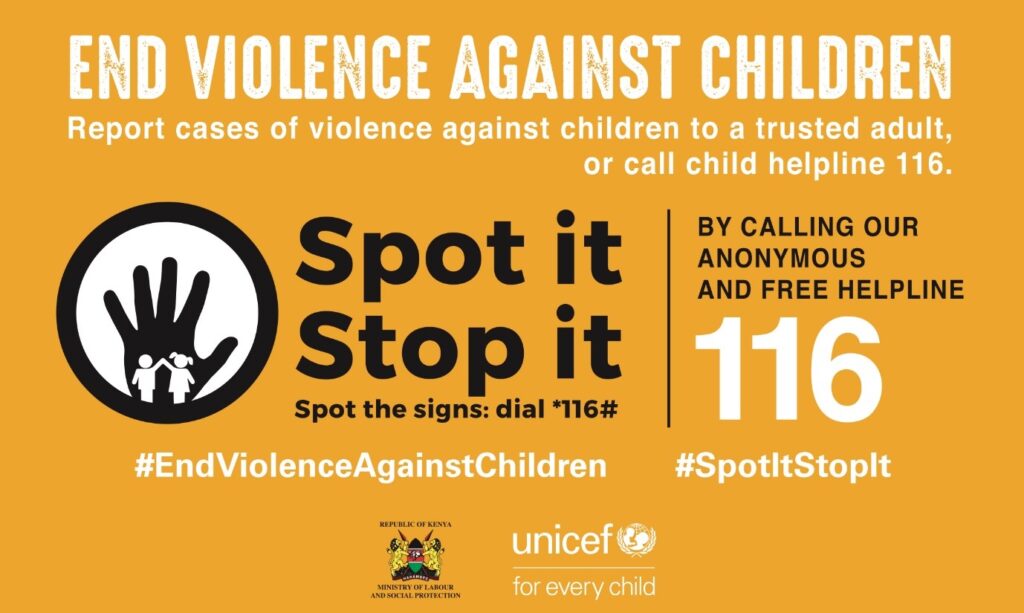
Figure 11. A Caption from the Kenya State Department for Children Services. Courtesy. © Copyright 2026 | State Department for Children Services | All Rights Reserved.

Firstly, sex offenders especially within the ranks must be prosecuted. Since teenage pregnancy mostly takes place in homes run by church goers, the leadership in place should never compromise and excuse criminality in favour of denominational bias. The church schools must litigate against this vice in its community.

Sirett, Carol. (2011) advices that there must be the institutionalized background check of would-be children and youth workers to fumigate against potential sex pests and rid the innocent children of vermin. Also there must be a comprehensive sexual abuse policy within every church institution to provide sensitization.

A comprehensive social-legal database and secretariat to manage sexual abuse cases can be instituted while destigmatizing sexual abuse victims by freely letting them share about their journey in controlled open platforms. This will cultivate home-grown networks of psychosocial support while accelerating rapid healing for the victims.

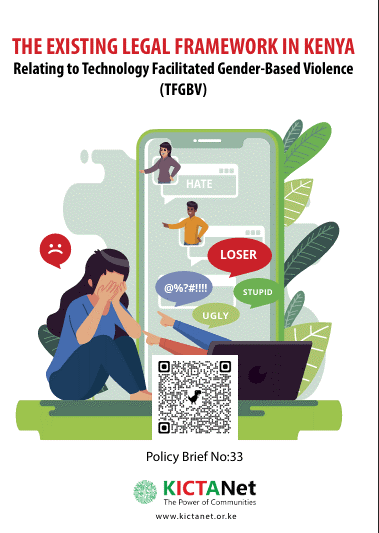
Figure 12. An Image Showing Kenya’s Technology-Facilitated Gender Based Violence. Courtesy The Kenya ICT Action Network (KICTANet)

Sound community social-legal empowerment through the available legal practitioners/experts within its pews can be instituted to offer pro bono services to the victims or their families. A helpline number for the victims can be set up within the church’s counselling department which is directly connected to the government authorities.

8. Conclusion

In sum, teenage pregnancy is no longer an incident but rather a looming pandemic in Kenya. No case should to be treated as a mere statistic but rather as a ministerial opportunity since all souls are the Lord’s according to Ezekiel 18:4. Practically the church should take a proactive role in preventing this vice through psychosocial and socioeconomic empowerment while legally, it should be ruthless not to name and shame but rather to strictly see to it that the offenders within its ranks are firmly prosecuted while the members are legally sensitized and supported. That is how teenage pregnancy and sexual abuse that fuels it will be tamed by the church.

References

Plowmann, P. (2004). Scoping Violence against girls and education. A global picture. Submitted to Action Aid. Nairobi.

Kenya Demographic and Health Survey. (20 January 2023). Kenya Demographic and Health Survey 2022 key indicators report shows drop in FGM, teen pregnancy rates

Retrieved from unfpa.org

https://kenya.unfpa.org/en/news/kenya-demographic-and-health-survey-2022-key-indicators-report-shows-drop-fgm-teen-pregnancy

World Health Organization, Adolescent pregnancy. (2 June 2023).

Retrieved from who.int

https://www.who.int/news-room/fact-sheets/detail/adolescent-pregnancy

UNESCO. (2014 – 2023). Sexual abuse of school age children: evidence from Kenya

Retrieved from unesco.org https://healtheducationresources.unesco.org/library/documents/sexual-abuse-school-age-children-evidence-kenya#:~:text=According%20to%20the%20fi%20ndings,as%20the%20most%20unsafe%20place.

CICE Hiroshima University. (2009). Journal of International Cooperation in Education, Vol.12 No.1 pp.177 ~ 192

Retrieved from cice.hiroshima-u.ac

https://cice.hiroshima-u.ac.jp/wp-content/uploads/2014/03/12-1-12.pdf

Sirett, Carol. (2011). Transformational Children’s Ministry. Revised Edition. Nairobi: Evangel Publishing House.

Haaijer, Jennifer. (1996). A Manual on the Evangelism of Children. European Child Evangelism Fellowship®

Bastian, Karl.  (2023). What Is Kidology? Why Kidology?

Retrieved from kidology.org/

https://www.kidology.org/page.asp?i=4    

Ogweno, O. J. (2005). An Investigation on Child Abuse Among Selected Secondary Schools Students in Nairobi Province. Unpublished M.ed Thesis, Kenyatta University.

Government of Kenya (2001). Children Act Cap 586 Laws of Kenya.

Government of Kenya (2006). The Sexual Offence Act. Kenya gazette Supplement No. 52 (Acts No. 3).

Government of Kenya (2007). Gender and Education Policy in Education. Nairobi: GoK.

Johnson, T. (2004). The abuse of Nairobi School Children. Population communication Africa,

the Ford Foundation & CIDA/GESP. Nairobi.

Woki, M. (2004). Violence against girls in schools: A scoping study submitted to Action Aid Kenya. Nairobi.

Lugano, R. (2023a). 1 – BTCL3343_Law_and_Society_Introduction.pptx

Lugano, R. (2023b). 3 – BTCL3343_Theories_of_law_and_society.pptx

Ghai, YP and Ghai, JC (2011). Kenya’s Constitution: An instrument for change, Nairobi: Katiba Institute.

 Lumumba PLO (2011). The Constitution of Kenya: Contemporary readings. Nairobi: Law Africa. Republic of Kenya (2010). Constitution of Kenya 2010.

Macagno, Fabrizio (2010) Definitions in Law. Universidade NOVA de Lisboa https://www.researchgate.net/publication/256008191_Definitions_in_Law

Tamanaha Brian (2001). A General Jurisprudence of Law and Society. Oxford University Press

Bridge, Michael, and Professor of Commercial Law Dean of the Faculty of Laws Michael Bridge. Personal Property Law, Oxford University Press, 2015. ProQuest Ebook Central, http://ebookcentral.proquest.com/lib/pacuniversity-ebooks/detail.action?docID=2012682.

Cohen, Jean L. Globalization and Sovereignty: Rethinking Legality, Legitimacy, and Constitutionalism. Cambridge, UK: Cambridge University Press, 2012.

Dobner, Petra, and Martin Loughlin, eds. (2010). The Twilight of Constitutionalism? Oxford: Oxford University Press.

Gunning, Jennifer & Kenway, Ian, (2009). Ethics, Law and Society, Volume IV.            

        Taylor & Francis Group.       https://ebookcentral.proquest.com/lib/pacuniversity-ebooks/detail.action?docID=438305

Kant, Emmanuel (2005).The Moral Law. New York,NY: Routlegde

Sangero, Boaz. (2006). Self-Defence in Criminal Law, edited by Professor of Corporate Finance Law Jennifer Payne, Bloomsbury Publishing Plc. ProQuest Ebook Central, http://ebookcentral.proquest.com/lib/pacuniversity-ebooks/detail.action?docID=1772569.

Leave a Comment

Your email address will not be published. Required fields are marked *